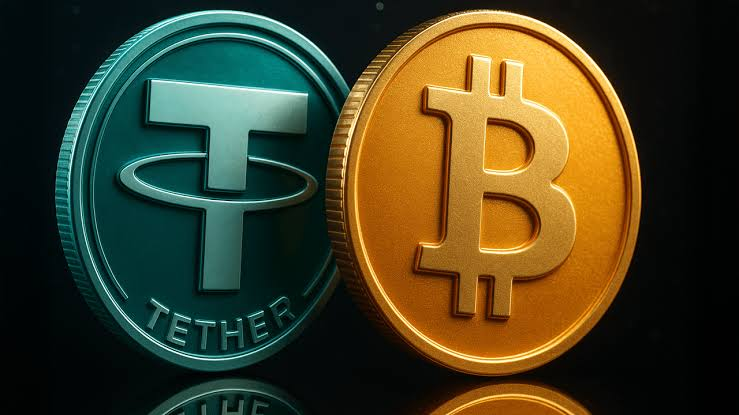
In Venezuela, digital currencies have evolved from an investment asset into an essential daily utility. Faced with severe local currency devaluation, high inflation, and limited access to international banking, residents and small businesses across the country turned to cryptocurrencies to protect their purchasing power.
Key Ways Crypto Works in Daily Life
-
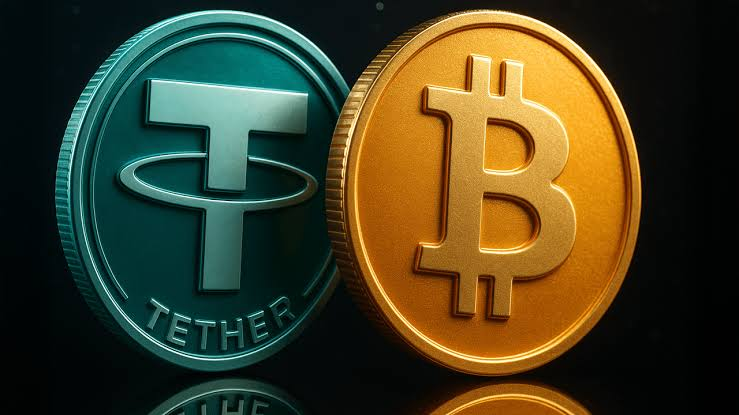
Stablecoins for Savings & Goods: To prevent rapid loss of income value, Venezuelans heavily rely on U.S. dollar-pegged stablecoins like USDT. Local merchants, freelancers, and service providers routinely accept direct wallet-to-wallet transfers.
-
Peer-to-Peer (P2P) Trading: Decentralized P2P platforms serve as the main financial bridge. Users can convert digital tokens into physical cash or local bank transfers in minutes to buy groceries, medicine, or pay for services.
-
Low-Cost Remittances: Families receive funds from relatives living abroad via crypto networks, bypassing the high transaction fees, exchange markups, and long delays of traditional money transfer services.
Despite ongoing internet and power outages, digital assets remain a core pillar of Venezuela’s everyday informal economy—offering ordinary citizens a practical, accessible safe haven.