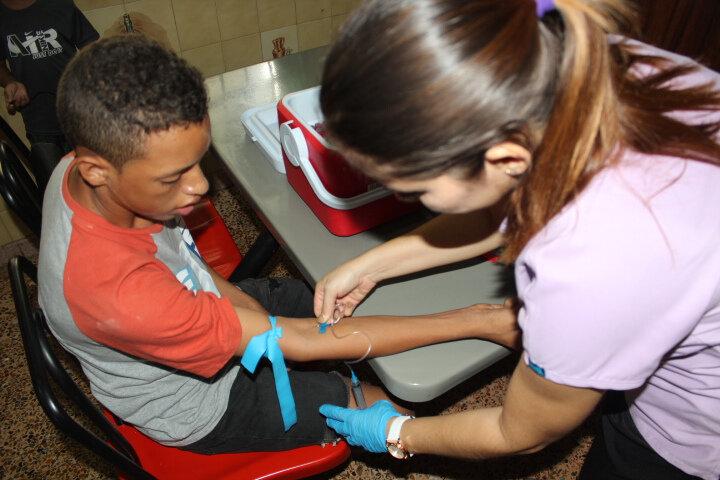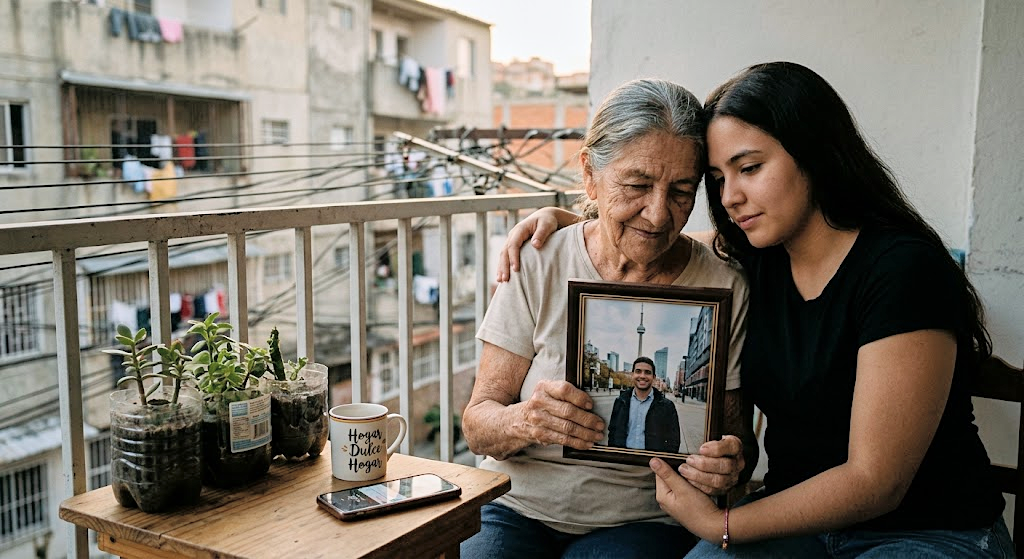
In communities facing geographical isolation, economic hardships, or constant failures in public services, the presence of a small local clinic is not a mere administrative formality: it is a true everyday lifeline. These health centers act as the first and most immediate line of medical defense, integrating healthcare directly into the heart of the neighborhood and responding to the real needs of its people.
Their primary strength lies in prevention and early detection. Being located just minutes from neighbors' homes, these clinics facilitate the constant monitoring of chronic diseases, child development tracking, and adherence to vaccination schedules without requiring families to take on costly or lengthy trips to central hospitals. Detecting and treating a condition on time not only protects the patient's life, but also prevents simple ailments from degenerating into complex emergencies that overload larger-scale health systems.
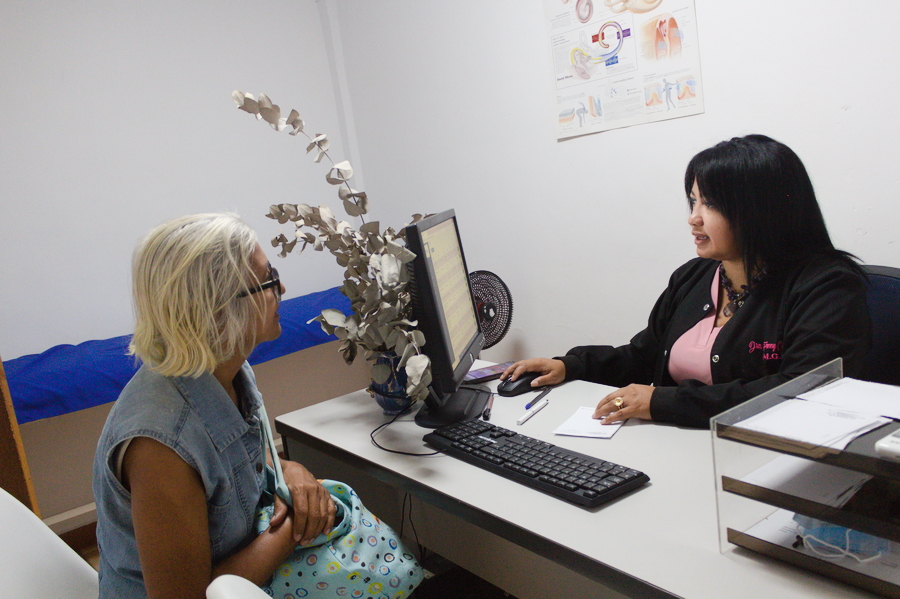
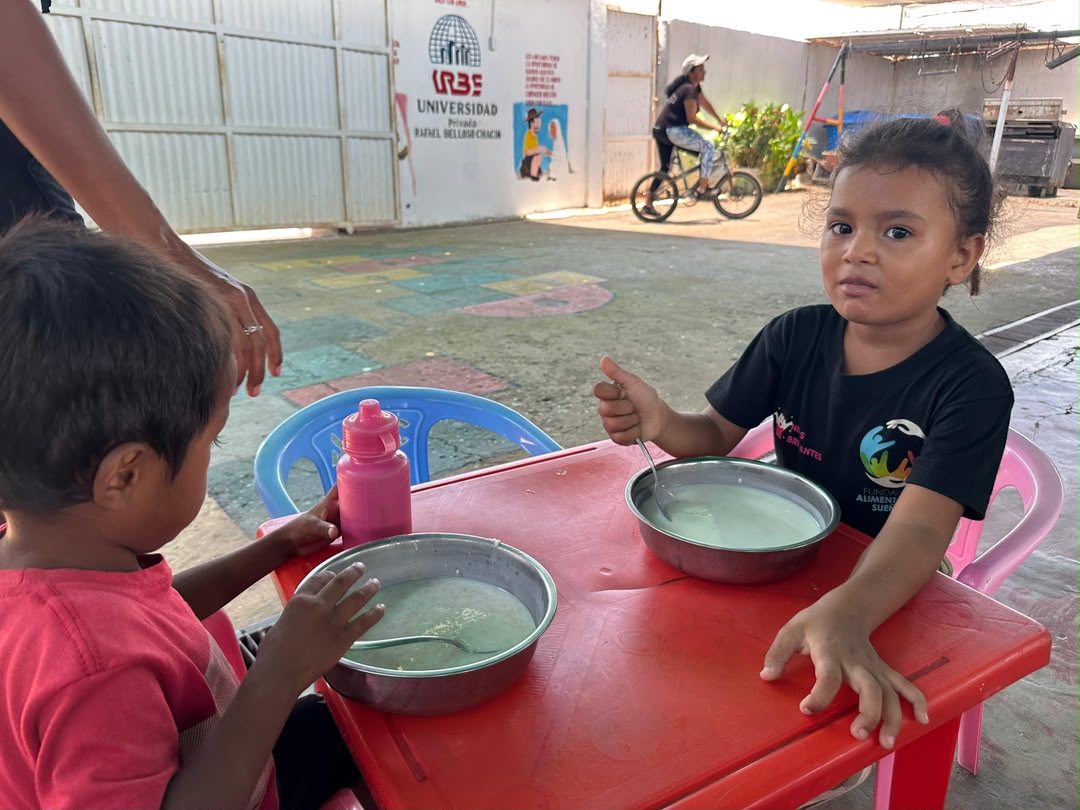
Beyond diagnostics and medications, these centers generate a fundamental asset: trust. By being staffed by personnel who understand the reality of the local environment, the clinics transform into accessible spaces for health education, offering everything from practical workshops on water handling and food hygiene to guidance on nutrition adapted to daily life.
Likewise, they function as an immediate response anchor for minor emergencies and as a first point of support for mental health. In environments where daily stress and socioeconomic difficulties affect emotional well-being, having a nearby space to receive a listening ear and guidance brings stability to the entire population. Strengthening the network of small local clinics is a direct investment in people, guaranteeing accessible, close, and humane care that builds stronger and more resilient communities.