Report
|
Oct 28, 2026
|
Luis Maldonado
An analysis of the psychological and emotional impact of prolonged uncertainty on the Venezuelan population. It explores how chronic stress exhausts coping mechanisms, the mark left by migratory grief in households, and the vital role of informal community solidarity networks.
16px
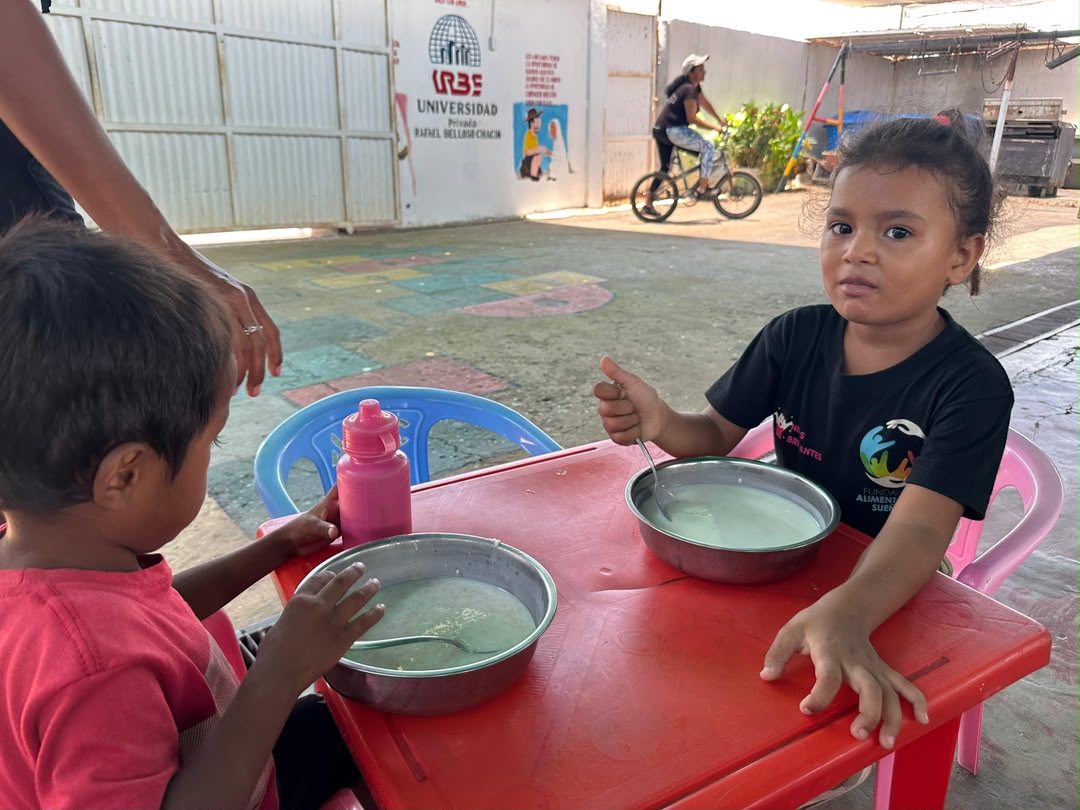
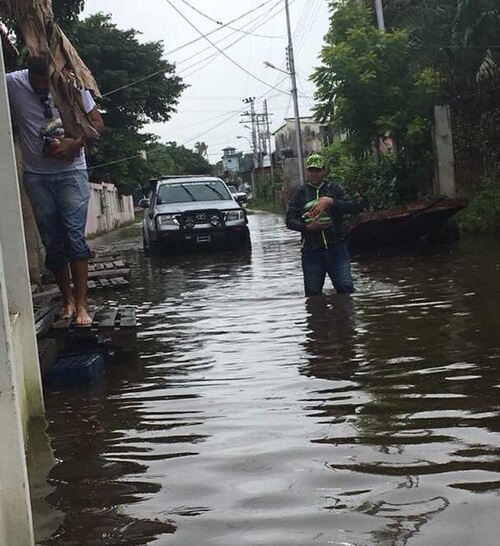
Living in an environment dominated by constant uncertainty has transformed the Venezuelan psyche in subtle yet profound ways. The daily need to resolve basic contingencies keeps the mind in a permanent state of hypervigilance. This prolonged stress exhausts emotional coping mechanisms, forcing individuals to focus solely on the immediate present and hindering the ability to plan for the future, which often translates into anxiety, insomnia, and continuous mental strain.
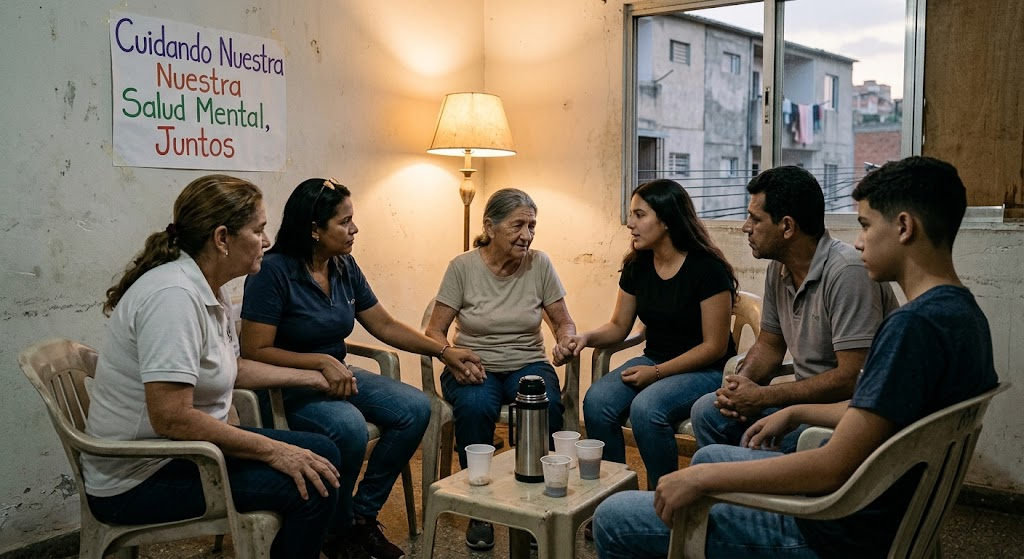
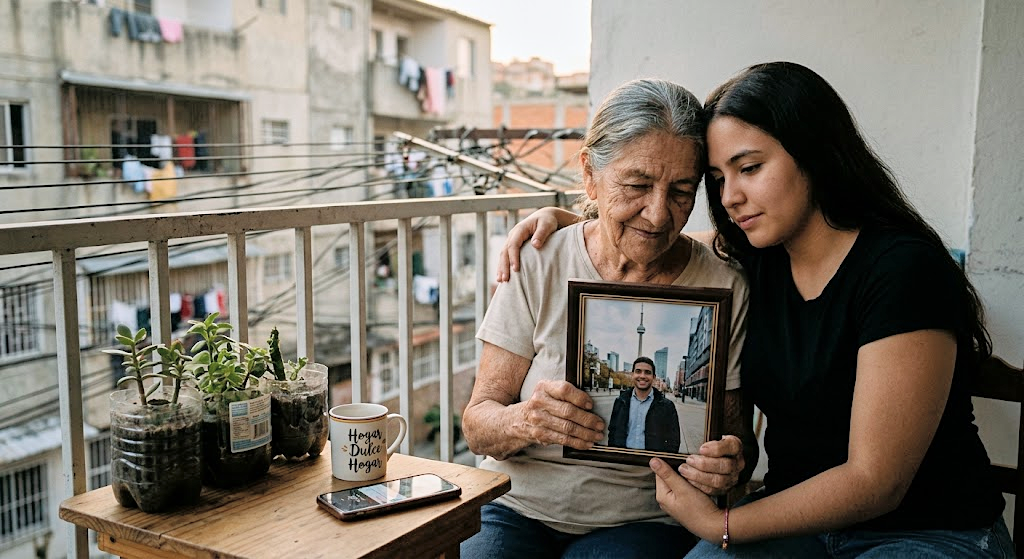
Added to this daily tension is the emotional impact of family separation. The physical absence of loved ones generates a silent and constant grief, where nostalgia and long-distance worry have become part of the routine in most households. Faced with this reality, communities have developed a remarkable response capacity, weaving informal networks of mutual support to sustain one another. Although this solidarity demonstrates an undeniable resilience, emotional fatigue persists as the invisible footprint of a society seeking to regain stability and peace in its day-to-day life.