

Life Gets Tougher for Venezuelan Orphans
Over the past two years, we have supported four different orphanages in Venezuela. Just last month, we added a fifth. But things have changed making food deliveries more difficult.
SAI Adapts to Difficult Situations
There is presently a lockdown every other week in Venezuela. With the combination of the lockdown-curfew and soaring fuel prices, we’ve made a few changes to our operations that allow us to adapt more readily to daily life in Venezuela
First Change: Gas Jumps to $8 per Gallon
The first change is that we’ve purchased a new/used pickup truck to help us continue to provide food deliveries for our local orphanages, hospitals, and animal shelters. This is extremely important because gasoline is now just over $8 per gallon. The skyrocketing price of gas makes it incredibly expensive for us to make our regular food deliveries.
Converted to Natural Gas
Since Venezuela is now getting its gasoline from Iran, the street price tops $8 per gallon. One of our top engineers suggested that with a slight modification of this truck, we could shift our consumption from gasoline to natural gas. This shift is a big deal because natural gas costs only a few pennies per gallon. Not only that, natural gas is a fuel that burns more cleanly than gasoline and diesel. We made the conversion to natural gas.
SAI is not only saving money on fuel but also limiting the carbon footprint of its vehicle use by converting the engine from gasoline to natural gas. This vehicle allows SAI to be more efficient in providing for the poor and needy Venezuelans who have only what we can provide for them. You make a huge difference in the lives of these children, hospital patients, and abandoned pets.
Second Change
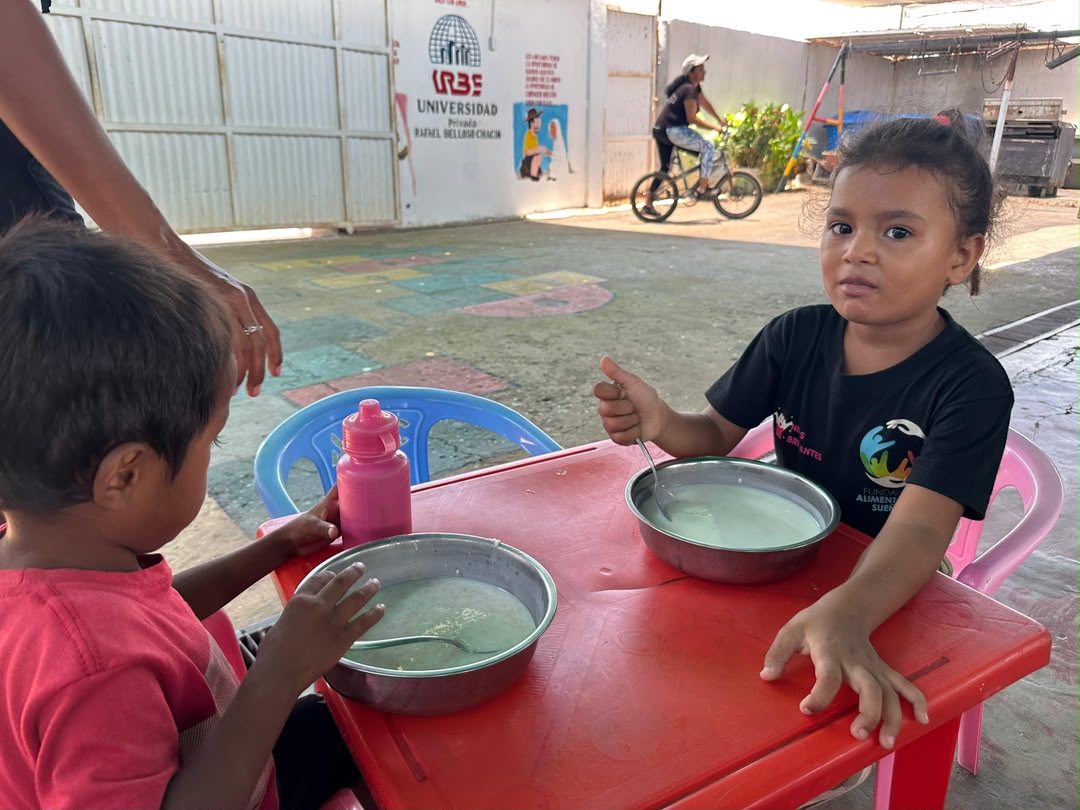
The second change is that we’ve shifted food deliveries to include more dry foods like arepa mix, cornflower, rice, beans, eggs, pasta, and now sardines. The kids need the protein and the omega-3s they get from eating sardines. Sometimes the younger children struggle to eat the sardines, but after a few meals, they adjust and actually like them!
This menu shift allows us to continue to provide vital nutritional support for these underprivileged children.