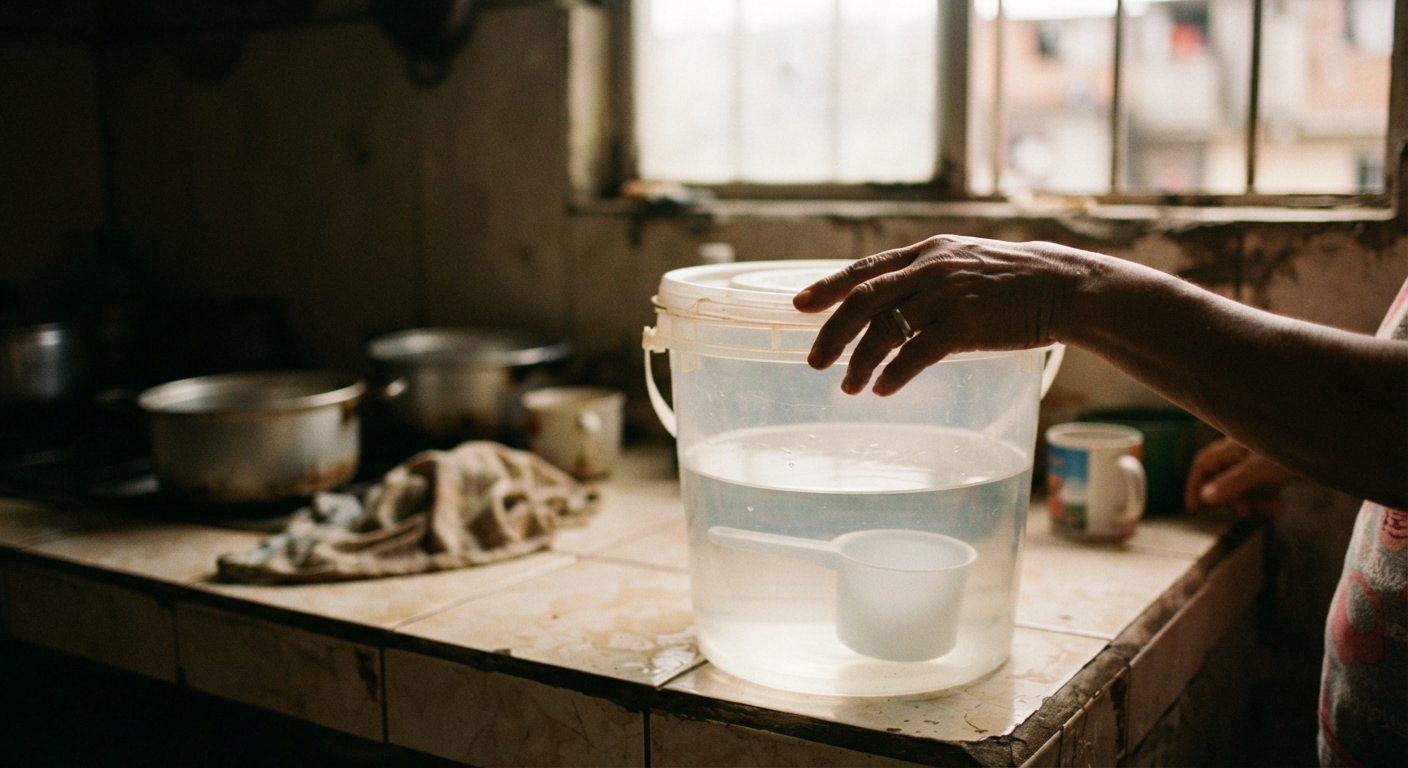
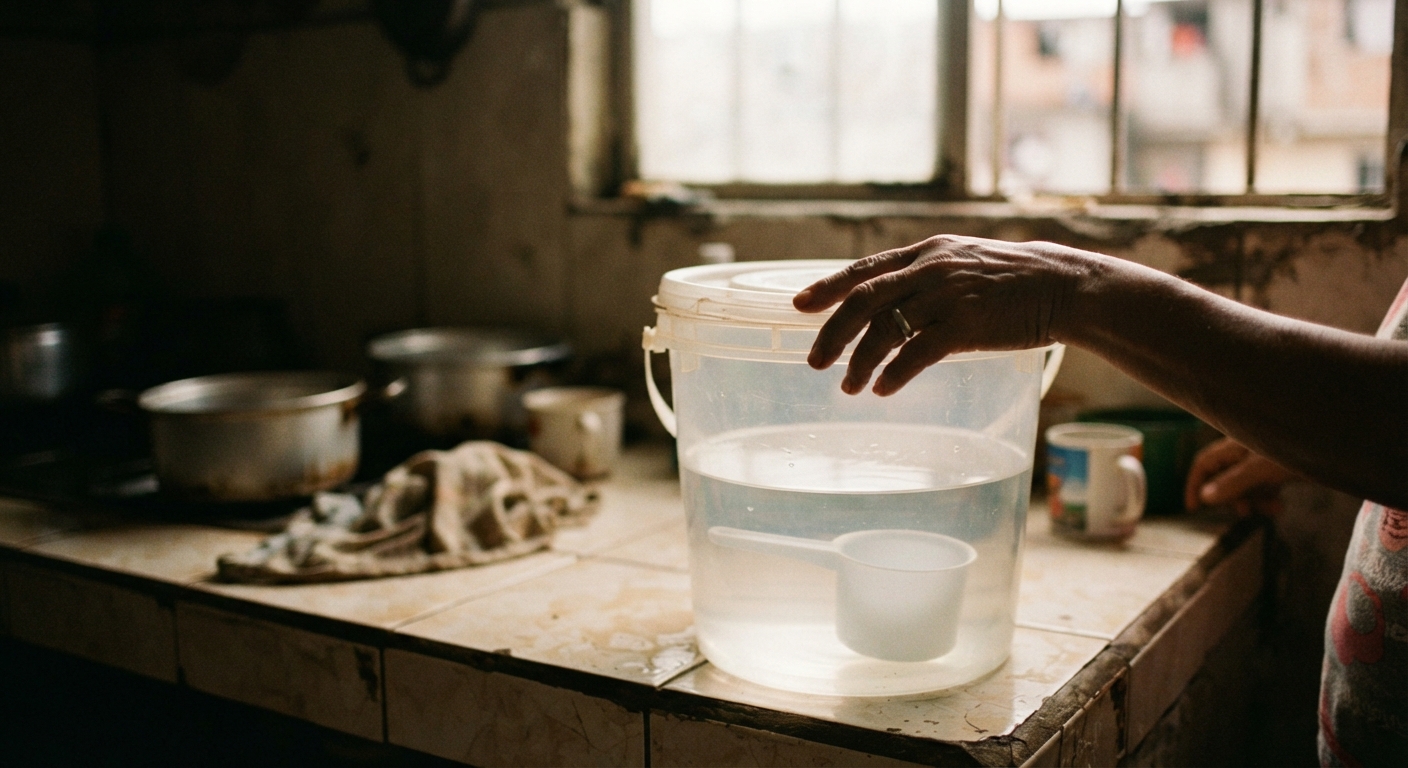
In many communities across Venezuela, the intermittent nature of piped water supply forces families to store water for days or weeks in tanks, drums, and improvised containers. When supply is irregular and containers do not receive periodic cleaning or remain uncovered, the accumulated water becomes vulnerable to microbiological contamination and to the proliferation of disease vectors.
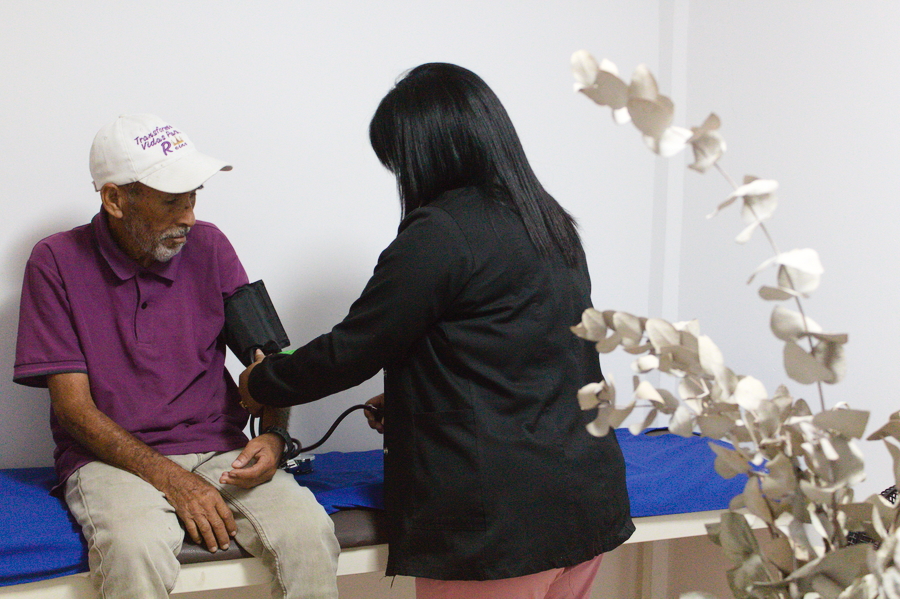
Consuming untreated water, or using it to prepare food and wash hands, increases the incidence of gastrointestinal illness, parasitic infection, and acute diarrheal disease. In young children, older adults, and people with weakened immune defenses, these episodes can cause rapid dehydration, worsen preexisting nutritional deficits, and disrupt school attendance or the household's economic stability.
Applying basic household treatment and storage practices significantly reduces these health risks.
Clarify the water first. If the water appears cloudy or contains suspended particles, allow it to settle or filter it through a clean cloth before disinfecting. Organic matter reduces the effectiveness of disinfecting agents, so this step makes everything that follows work better.
Disinfect properly. Bringing water to a vigorous rolling boil for at least one minute eliminates most of the pathogenic microorganisms responsible for enteric disease. At elevations above 2,000 meters, extend the boil to three minutes. Household chlorine can also be used, but the correct dose depends on the product's concentration, so follow the technical instructions on the label and allow the treated water to stand for at least thirty minutes before use.
Store it protected. Keep treated water in clean containers with a tight fitting lid, in a cool place. This prevents recontamination and limits mosquito breeding in the home environment.
These practices require no special equipment and no additional cost, only consistency. In a context where water supply cannot be relied upon, they represent one of the most effective protections a household can put in place for the health of its most vulnerable members.